
Specialty pantry market · buying guides
Mediterranean Pantry Market
Pantry food worth reading the label for.
Olive oil with a harvest date. Spices that still smell like something. Grains, legumes and dates chosen for the dish in front of you. Start with a guide, or tell the market what you are hunting for.
Illustrative footage
Five aisles
What to look for, shelf by shelf
Each aisle has one habit that separates a good buy from a disappointing one. Point at a shelf, or tap it on a phone, to open it.
-
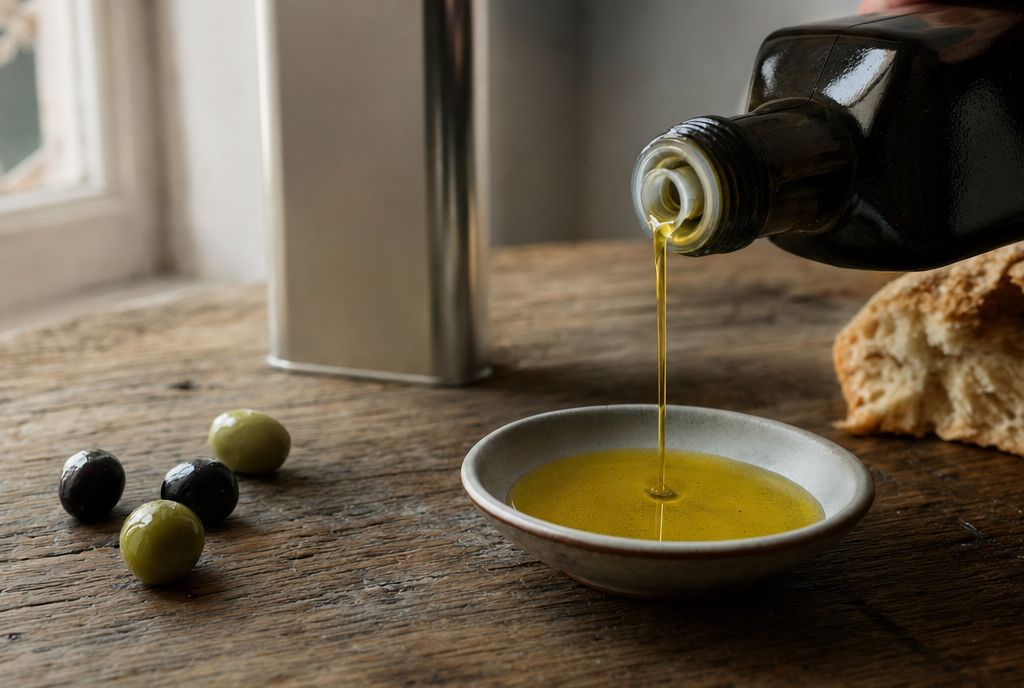
01 · Olive oil
Read the harvest date before the price.
Extra virgin olive oil is a fresh product with a shelf life. The words that matter on a label are the harvest date, the place it was pressed and the grade. Words like “pure” and “light” tell you the oil was refined.
Read the olive oil guide -
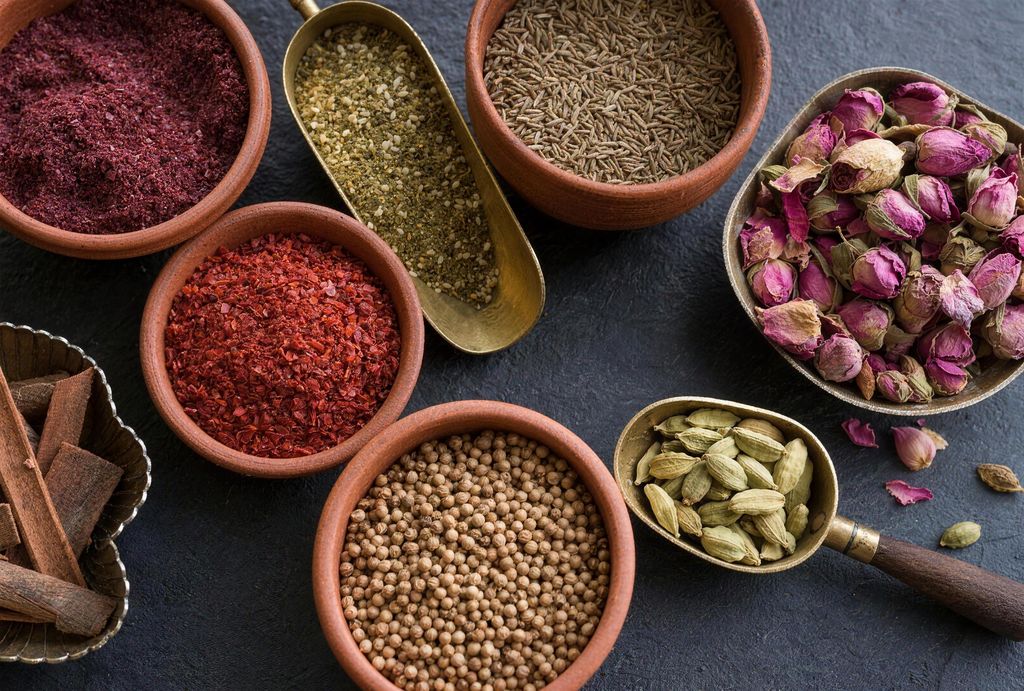
02 · Spices & blends
Buy small, buy whole when you can.
A spice jar loses aroma every week it sits open. Whole seeds and barks hold their oils far longer than powders, and a dry pan wakes them up in under two minutes. Blends like za’atar and baharat vary by family and region, so taste before you commit to a large bag.
Read the spices & blends guide -
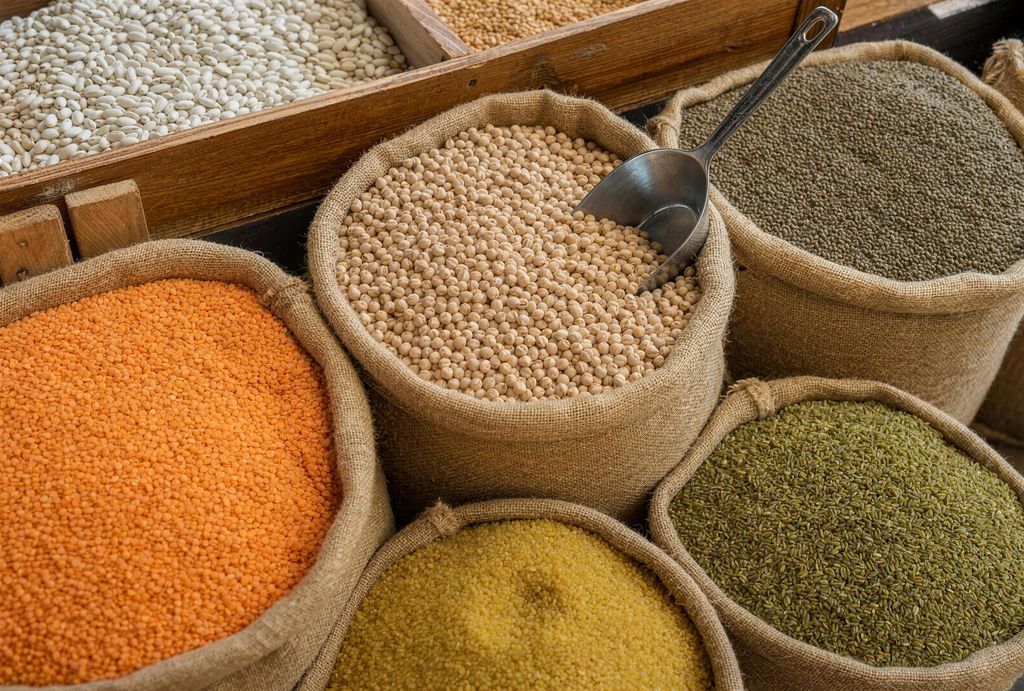
03 · Grains & legumes
Age matters more than the recipe admits.
Dried chickpeas from last year and chickpeas from three years ago behave like different ingredients. Bulgur, freekeh and lentils are faster and more forgiving, and the right water ratio does most of the work.
Read the grains & legumes guide -
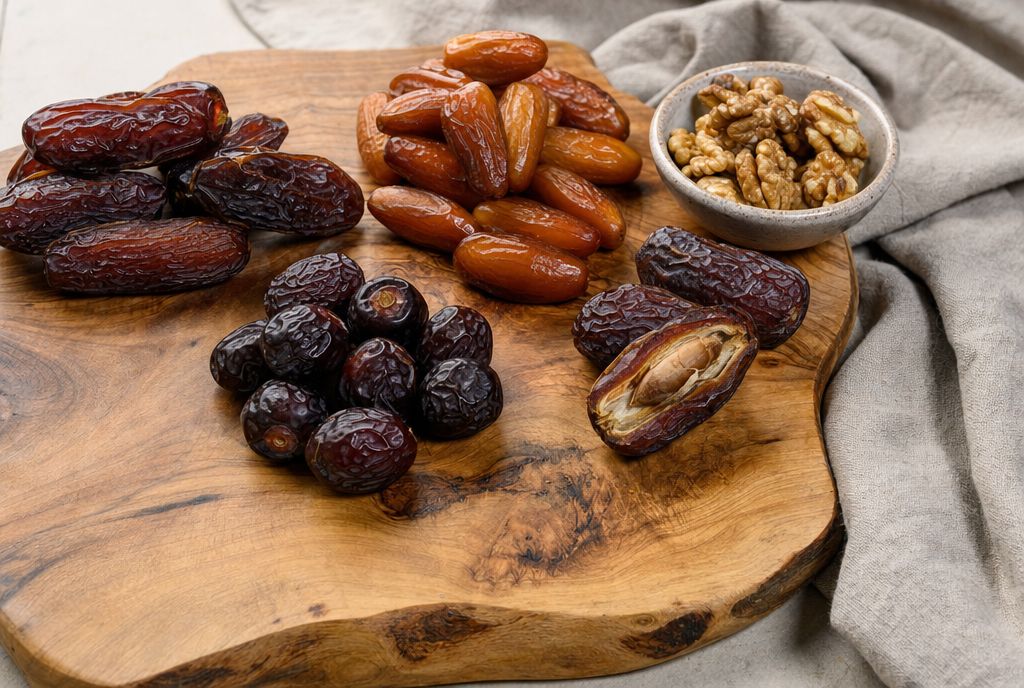
04 · Dates
Pick the variety for the job.
Soft Medjools are for eating and stuffing. Firmer Deglet Noor and Zahidi chop cleanly into breads and salads. Fresh yellow Barhi in late summer are crunchy and a little astringent, nothing like the dried fruit most people know.
Read the dates guide -
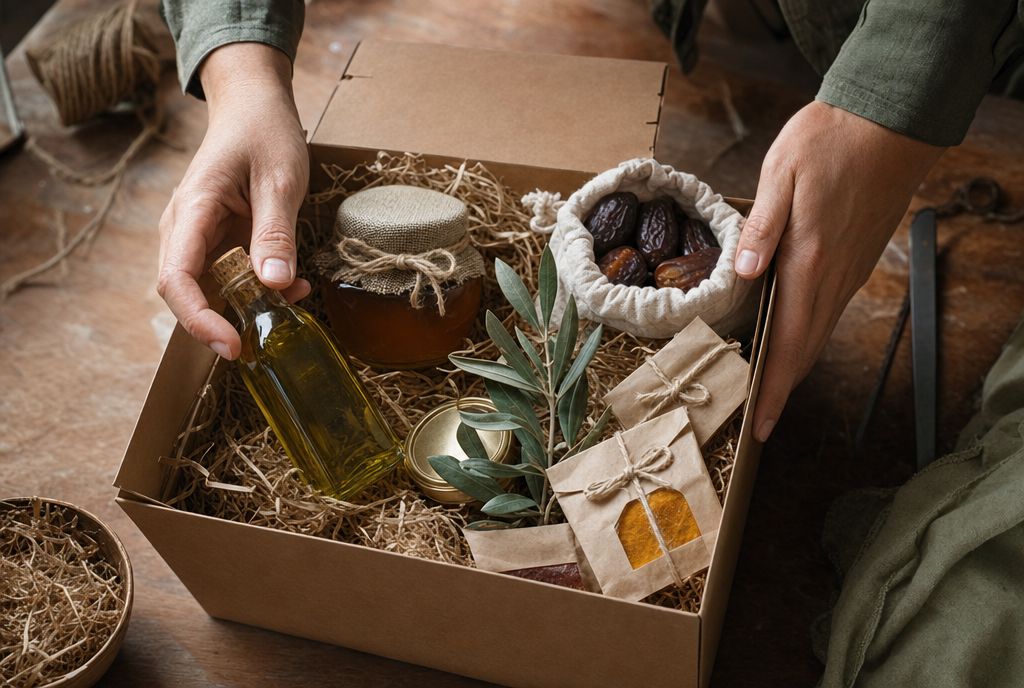
05 · Gift boxes
Shelf-stable, well packed, clearly labeled.
A good food gift travels without drama: nothing that melts, nothing that leaks, and a card that names allergens. The best boxes are built around one item the recipient would not buy for themselves.
Read the gift boxes guide
Three label habits: harvest beats best-by, whole outlasts ground, ripe fits the dish.
How we think about a pantry
Four habits that make a pantry taste better
-
01
Buy small.
A large tin of olive oil is a bargain only if you empty it within a couple of months of opening. Two ounces of spice used this season beats a pound that goes flat on the shelf.
-
02
Date first.
For olive oil the harvest date tells you more than the best-by date. Dried beans often carry no date at all, which is a good reason to buy from a shelf that turns over quickly.
-
03
Store dark.
The cabinet above the stove is the worst spot in most kitchens. A cool, dark drawer and a tight lid add months of flavor to oils, nuts, flours and spices.
-
04
Nose first.
Rub a pinch of spice, sniff an open bottle, bite a nut. Stale food is rarely dangerous, but it quietly turns a good recipe into a flat one.
Pantry freshness check
Is that jar still worth cooking with?
Pick an item and slide to how long it has been open or on the shelf. The bar shows the rough windows most cooks use for flavor, from peak to fading to flat.
These are quality guidelines, not food-safety rules. Anything that smells off, looks damp or shows mold goes in the bin, whatever its age.
Usable, flavor fading
Windows are general rules of thumb drawn from common kitchen guidance. Storage conditions change them a lot.
Looking for something specific?
From your note to a reply
A particular olive oil from a trip, the spice blend your grandmother used, a box for someone who cooks. Here is what happens when you send it.
-
01
Describe it
Brand, origin, size and what you plan to cook. For a gift box: the occasion, how many, the date you need them and any allergies.
-
02
A person reads it
The form goes straight to the market’s inbox. No automated sales sequence follows.
-
03
Questions if needed
If the request needs more detail, the reply asks for it before anything else happens.
-
04
A reply by email
You hear back at the email address you give. Nothing is ordered or charged through this website.
Ask the market
Describe it and the market will look
- Product questions and hard-to-find items
- Gift box ideas for a person or an event
- Larger or repeat orders for a kitchen or business
Quick answers
Questions people ask at the shelf
No question matches that word. Try a shorter one.
Is “light” olive oil lower in calories?
No. “Light” describes the flavor and color of a refined oil, not its fat or calorie content. Every olive oil carries roughly the same energy per tablespoon. Our olive oil guide explains what the grade names on a label actually mean.
Do spices expire?
Dried spices rarely become unsafe, but they lose aroma steadily. Ground spices fade fastest because grinding exposes more surface to air. Use the freshness check above, then read the spice buying and storage guide for how to keep them longer.
Do lentils need to be soaked?
Lentils and split peas do not need soaking and cook in 15 to 30 minutes. Chickpeas and most whole beans benefit from an overnight soak. The grains and legumes guide has a ratio calculator for both.
What is the difference between Medjool and Deglet Noor dates?
Medjool dates are large, soft and caramel-sweet, best for eating out of hand or stuffing. Deglet Noor dates are smaller, firmer and drier, which makes them easier to chop for baking. The date varieties guide compares eight common types.
Can I ask the market to look for a specific product?
Yes. Use the request form and describe the item as precisely as you can: brand, origin, size and what you plan to cook. A person reads every message and replies by email.
Are the photographs on this site of the market itself?
No. The photographs are illustrative and show the kinds of foods the guides discuss. They are not pictures of a particular shop, product line or customer.


